

OH1 horizontale magnetische aandrijfpomp
Cat:Magnetische pomp
Prestatiebereik: · Diameter: DN25 ~ DN400 · Debiet: tot 2000 m³/h · Hoofd: maximaal 250 m · Power: maximaal 560...
Zie detailsAxiale stromingspompen verplaats vloeistof in een richting evenwijdig aan de pompas, met behulp van een propellerachtige waaier om grote hoeveelheden vloeistof met minimale weerstand te duwen. Terwijl de waaier draait, genereert deze lift op de vloeistof, net zoals een vliegtuigpropeller lift in de lucht genereert, waardoor de vloeistof rechtstreeks door het pomphuis wordt gedreven in plaats van deze naar buiten te leiden. Dankzij dit ontwerp kunnen axiale stromingspompen extreem grote vloeistofvolumes verplaatsen, maar met een relatief lage druk of opvoerhoogte, vergeleken met andere pomptypen.
Vanwege deze stromingskarakteristiek zijn axiale stromingspompen het meest effectief in toepassingen waarbij grote hoeveelheden water of vloeistof over korte verticale afstanden moeten worden verplaatst, zoals bij overstromingen, irrigatie- en drainagesystemen. Hun eenvoudige, gestroomlijnde interne geometrie resulteert ook in relatief lage interne turbulentie, wat bijdraagt aan een efficiënte werking wanneer de pomp correct is afgestemd op de beoogde toepassing.
Pompen met gemengde stroming combineren de kenmerken van zowel axiale als radiale stromingspompen (centrifugaalpompen). In plaats van de vloeistof in een puur rechtlijnig pad te duwen, stuurt de waaier in een pomp met gemengde stroming de vloeistof onder een hoek, deels naar buiten en deels naar voren, wat resulteert in een stromingspatroon dat tussen de zuivere axiale beweging van een axiale stromingspomp en de radiale beweging van een centrifugaalpomp valt.
Dankzij dit hybride ontwerp kunnen pompen met gemengde stroming meer opvoerhoogte genereren dan pompen met axiale stroming, terwijl ze toch relatief hoge stroomsnelheden behouden, waardoor ze een praktische middenwegoptie zijn voor toepassingen die meer druk vereisen dan een axiale stromingspomp kan bieden, maar toch aanzienlijke vloeistofvolumes moeten verplaatsen. De waaiergeometrie in pompen met gemengde stroming is doorgaans complexer om te vervaardigen dan waaiers met axiale stroming, wat zowel de initiële kosten als de onderhoudsoverwegingen kan beïnvloeden.
Het begrijpen van de kernprestatieverschillen tussen deze twee pomptypen is essentieel voor het selecteren van de juiste apparatuur voor een bepaalde toepassing.
| Kenmerkend | Axiale stromingspomp | Gemengde stroompomp |
| Stroomrichting | Parallel aan de as | Gehoekt, deels axiaal en deels radiaal |
| Hoofd generatie | Laag | Matig |
| Stroomsnelheid | Zeer hoog | Hoog |
| Typische toepassing | Overstromingsbeheersing, irrigatie | Waterzuivering, hemelwateropvoerstations |
| Complexiteit van het waaierontwerp | Laager | Hooger |
De relatie tussen opvoerhoogte en debiet is een van de duidelijkste manieren om deze twee pomptypen in praktische termen te onderscheiden. Axiale stromingspompen werken doorgaans het beste bij opvoerhoogtes onder de 4,5 tot 6 meter en leveren binnen dat bereik extreem hoge stroomsnelheden, maar hun efficiëntie neemt scherp af als de systeemdrukvereisten boven hun optimale werkingsvenster stijgen.
Pompen met gemengde stroming breiden de bruikbare prestaties uit naar een breder scala aan opvoerhoogteomstandigheden, waarbij ze vaak efficiënt functioneren in toepassingen die een opvoerhoogte van 15 tot 12 meter vereisen, terwijl ze nog steeds aanzienlijk hogere stroomsnelheden leveren dan een gelijkwaardige centrifugaalpomp bij dezelfde druk zou leveren. Dit maakt pompen met gemengde stroming een gebruikelijke keuze in gemeentelijke water- en afvalwatertoepassingen waarbij de systeemomstandigheden meer kunnen variëren dan in een eenvoudig drainage- of overstromingsbeheersscenario.
Het kiezen tussen deze twee komt vaak neer op het uitzetten van de opvoerhoogte en debietvereisten van het specifieke systeem tegen de pompcurves van de fabrikant, aangezien het bedienen van een pomp die aanzienlijk buiten het ontworpen prestatiebereik ligt, kan leiden tot cavitatie, verminderde efficiëntie en voortijdige slijtage, ongeacht welk pomptype wordt gekozen.
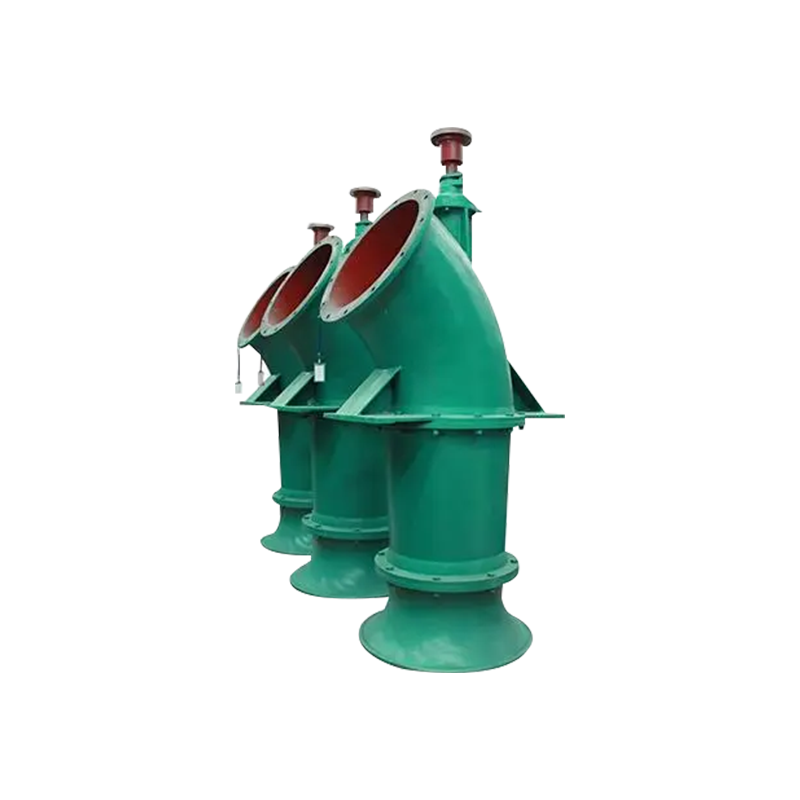
Axiale stromingspompen worden veel gebruikt in scenario's waarbij zeer grote vloeistofvolumes moeten worden verplaatst met minimale drukvereisten.
Pompen met gemengde stroming worden gekozen wanneer een project meer druk vereist dan axiale stromingspompen kunnen leveren, zonder dat dit ten koste gaat van de hoge stroomsnelheden die gepaard gaan met propellerwaaiers.
Het selecteren van het juiste pomptype vereist een duidelijk begrip van de specifieke systeemvereisten in plaats van te vertrouwen op algemene aannames over de pompprestaties.
Zowel pompen met axiale stroming als pompen met gemengde stroming profiteren van regelmatige inspecties van de staat van het rotorblad, de lagerslijtage en de integriteit van de afdichtingen, omdat deze componenten tijdens bedrijf voortdurend mechanische spanning ondervinden. Cavitatie, die optreedt wanneer een pomp buiten de ideale zuigomstandigheden werkt, kan na verloop van tijd schade aan de rotoroppervlakken veroorzaken en moet worden aangepakt door het systeemontwerp en de plaatsing van de pomp te herzien in plaats van simpelweg herhaaldelijk beschadigde componenten te vervangen.
Trillingsmonitoring is met name waardevol voor grote pompen die worden gebruikt in toepassingen met continu bedrijf, omdat vroege detectie van trillingsveranderingen lagerslijtage of onbalans van de waaier kan identificeren voordat dit tot grotere mechanische storingen leidt. Het opstellen van een consistent onderhoudsschema, gebaseerd op de aanbevelingen van de fabrikant en de werkelijke bedrijfsomstandigheden, helpt de levensduur van de pomp te verlengen en vermindert het risico op ongeplande stilstand in kritieke waterbeheer- of industriële systemen.
Uiteindelijk komt de keuze tussen pompen met axiale stroming en pompen met gemengde stroming neer op het afstemmen van de prestatiekenmerken van de pomp op de specifieke opvoerhoogte, stroming en toepassingsvereisten van het systeem. Door de tijd te nemen om deze factoren tijdens het selectieproces goed te evalueren, kunt u betrouwbare, efficiënte prestaties garanderen gedurende de volledige levensduur van de apparatuur.
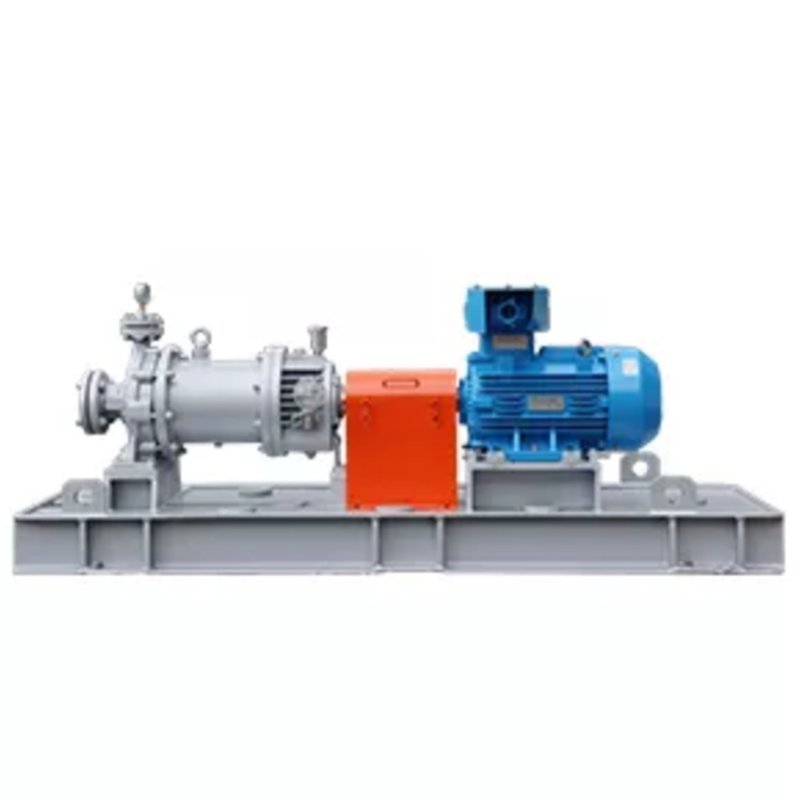
Prestatiebereik: · Diameter: DN25 ~ DN400 · Debiet: tot 2000 m³/h · Hoofd: maximaal 250 m · Power: maximaal 560...
Zie details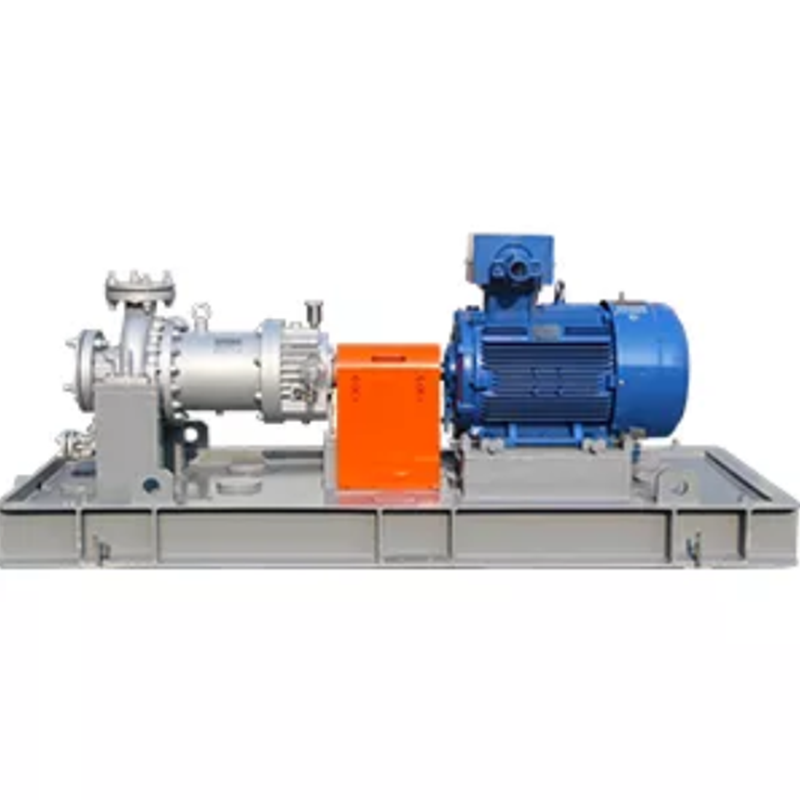
Prestatiebereik: · Diameter: DN25 ~ DN400 · Debiet: tot 2000 m³/h · Hoofd: maximaal 250 m · Temperatuurlimiet: ...
Zie details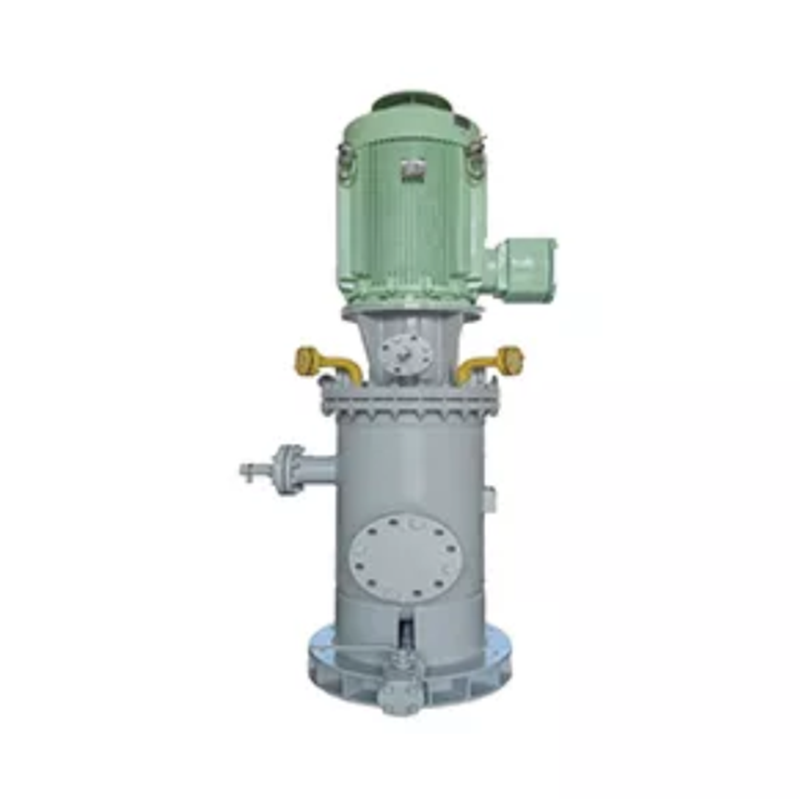
Prestatiebereik: · Diameter: DN25 ~ DN200 · Debiet: tot 700 m³/h · Hoofd: tot 1000 m · Temperatuurbereik: -196 ...
Zie details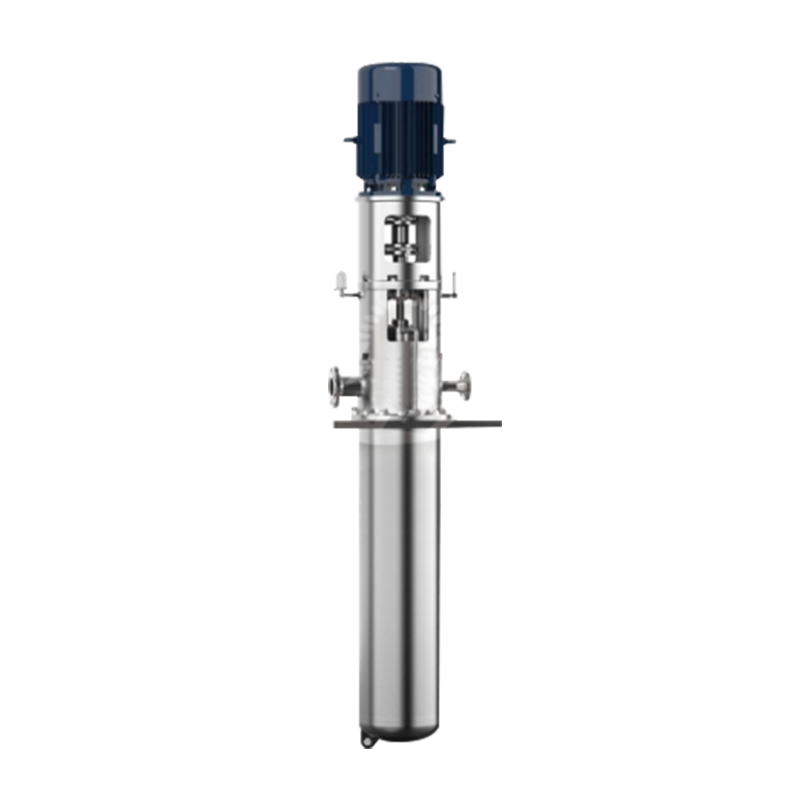
De vatpompreeks van het diversiontype biedt hydraulische prestaties, met een verscheidenheid aan configuratie-opties, waaronder zelfreinigende, ext...
Zie details
Overzicht De niet-metalen verticale ondergedompelde pomp is ontworpen voor het hanteren van corrosieve media binnen een temperatuurbereik va...
Zie details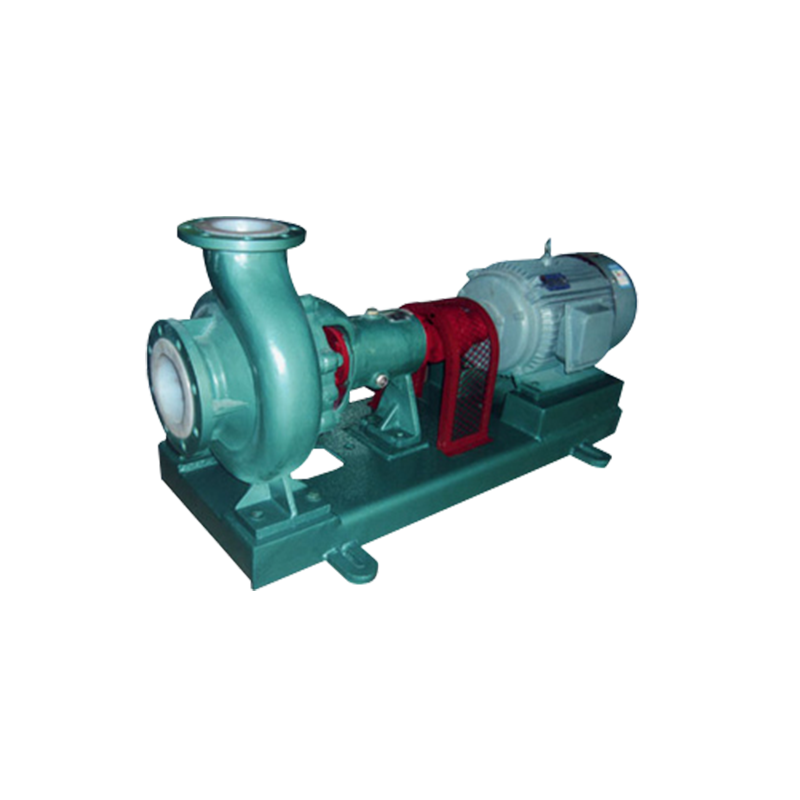
IHF-met fluor gevoerde chemische pomp wordt gekenmerkt door een redelijke en geavanceerde structuur, sterke corrosieweerstand, strakke en betrouwba...
Zie details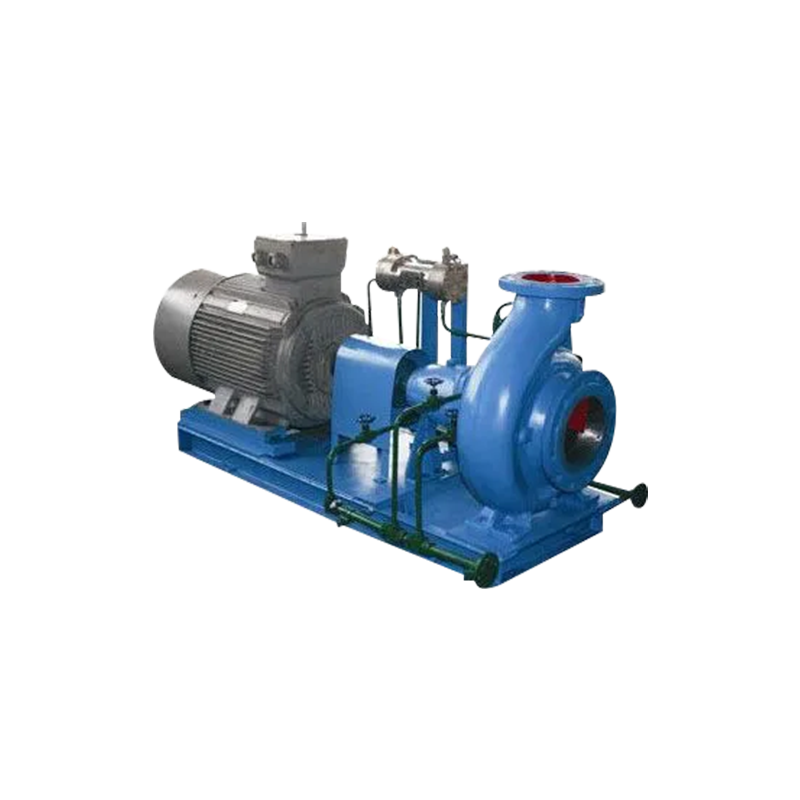
HPK warmwatercirculatiepomp neemt de gepatenteerde technologie van een lage specifieke snelheidscentrifugaalpomp aan, die is ontwikkeld op basis va...
Zie details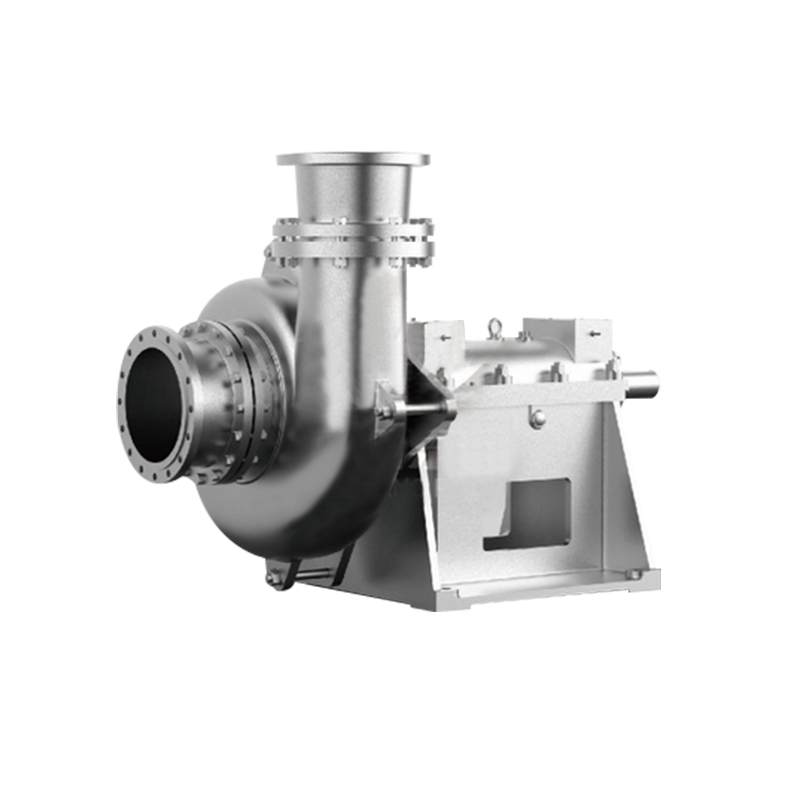
De dubbele behuizingspomp, een reeks vaste-vloeistof tweefasige stroomslurrypompen, is ontworpen met een innovatieve tweefasenstroomontwerptheorie ...
Zie details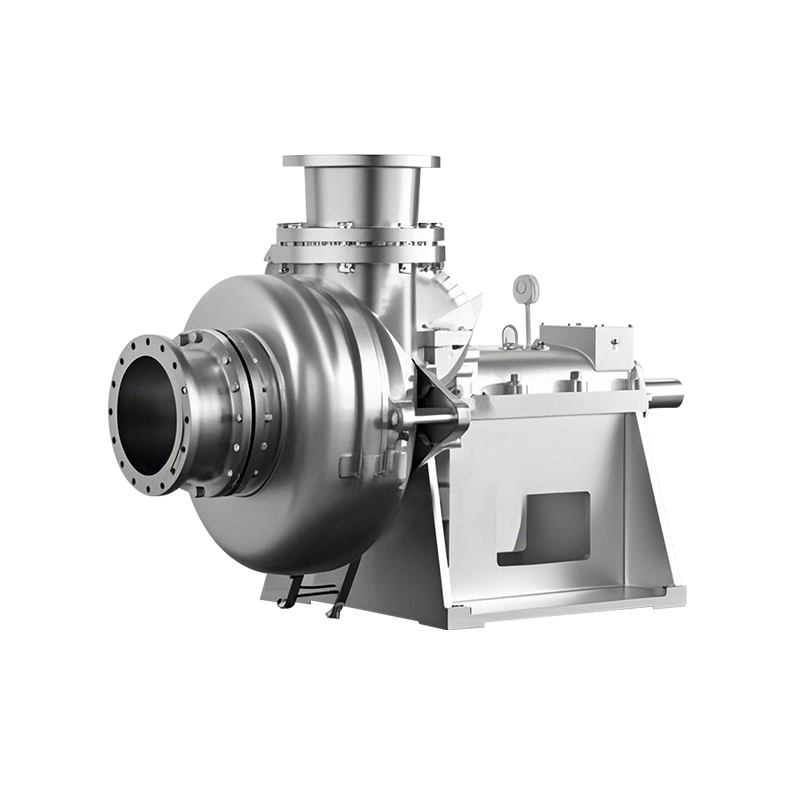
De slurrypomp met één behuizing is een nieuwe generatie zeer efficiënte, slijtvaste en energiebesparende slurrypompen ontwikkeld die door ons bedri...
Zie details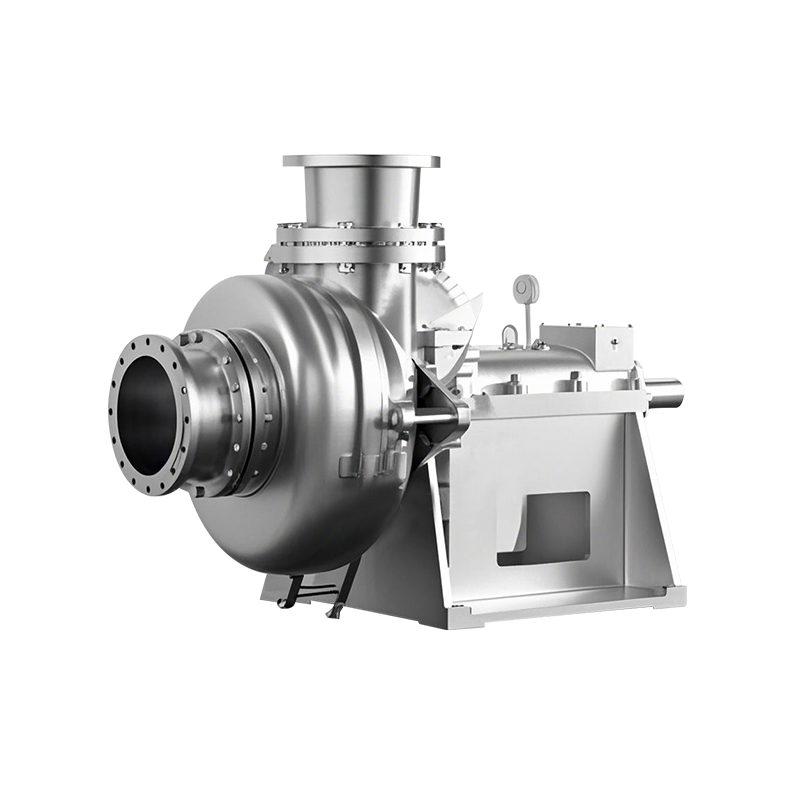
De gemengde pomp, ook bekend als de diagonale stroompomp, is een type pomp die tussen de centrifugaalpomp en de axiale stroompomp valt. Het is gesc...
Zie detailsCopyright © Jiangsu Feixiang Pump Manufacturing Co., Ltd. All rights reserved. Chemische pompen fabrikanten

 +86-18052670932
 +86-0523-84326888
 Nr. 35, Xinqiao Middle Road, Xinqiao Town, Jingjiang City, Provincie Jiangsu, China